
Vinyl is the better choice for any room that gets wet, and laminate is the better choice for dry rooms where you want the most realistic wood look and a warmer, more solid floor. In most UAE homes that means vinyl, usually SPC, for kitchens, bathrooms and laundry rooms, and either one for bedrooms and living rooms.
Both are affordable flooring options that copy wood or stone, both click together as a floating floor, and both can go over existing tiles. The differences lie in the core and in how each copes with water, heat, sand and furniture. Below are the pros and cons of each for life in the UAE, then a closer look at SPC vs laminate flooring.
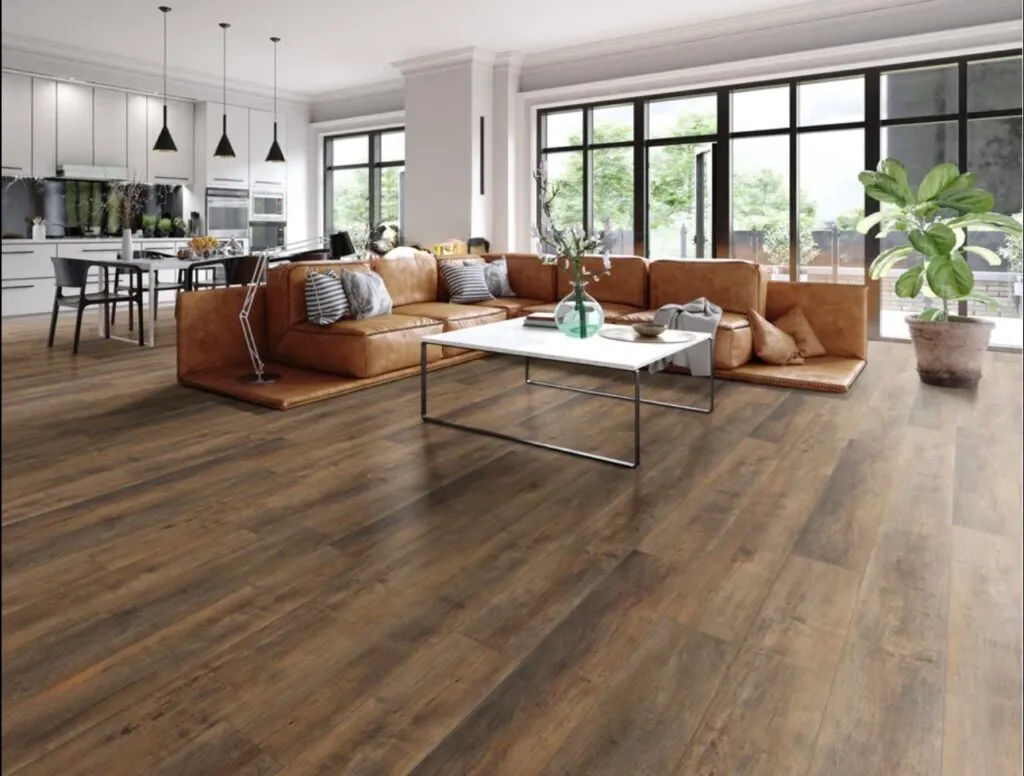
What Laminate and Vinyl Flooring Are Made Of
Laminate flooring
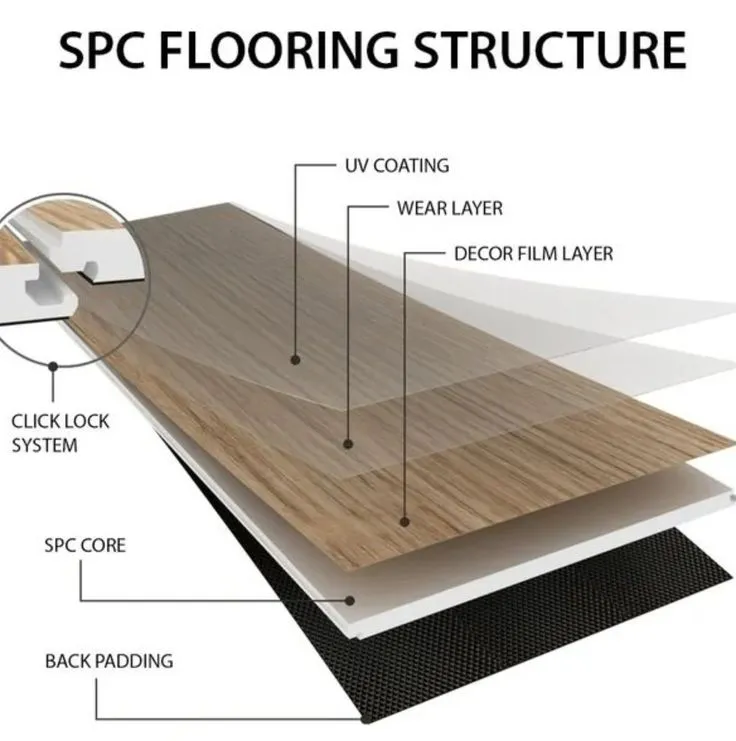
Laminate is a wood based product with four layers: a clear melamine wear layer, a printed decorative layer showing oak, walnut or stone, a core of high density fibreboard (HDF) made from wood fibres pressed with resin, and a backing layer that keeps each plank flat. Laminate flooring planks are usually 8 mm to 12 mm thick.
Vinyl flooring
Vinyl is fully synthetic. Its base is PVC, which does not absorb water, so vinyl is sold as waterproof. In the UAE you will meet three types:
- Sheet vinyl. Wide rolls laid with few or no seams. The most budget friendly choice, thin and soft.
- LVT (luxury vinyl tile). A flexible PVC core, glue down or click lock, usually 2 to 5 mm thick. A luxury vinyl plank looks far more convincing than sheet vinyl.
- SPC (stone plastic composite). A rigid core of limestone powder and PVC, 4 mm to 7 mm thick, often with an attached underlay.
Torn between the last two? Our SPC vs LVT comparison explains the choice.
Laminate vs Vinyl Flooring: Comparison Table
| Factor | Laminate | Vinyl (LVT, SPC, sheet) |
|---|---|---|
| Core | HDF, compressed wood fibre | Synthetic PVC; SPC adds limestone |
| Water | Water resistant surface, core can swell | Waterproof through the plank |
| Heat and direct sunlight | Stable with expansion gaps | SPC very stable; LVT and sheet move more |
| Scratches | Very hard surface, AC3 to AC5 | Depends on wear layer thickness |
| Dents | Resists heavy furniture | LVT and sheet can dent; SPC resists |
| Feel | Thicker, warmer, can sound hollow | Softer underfoot, quieter |
| Cleaning | Damp mop only | Damp or wet mop |
| Look | Most realistic grain, deep embossing | Very good on LVT and SPC |
| Best rooms | Bedrooms, living rooms | Kitchens, bathrooms, whole home |
Water, Humidity and Spills
Water resistance is the biggest difference in laminate vs vinyl flooring. Vinyl is waterproof, so spills, wet mopping and splashes around a sink do no harm unless water seeps under the edges. That makes vinyl the clear pick for bathrooms, laundry rooms and kitchens.
Laminate has moisture resistance on its surface only. If water reaches the joints, the HDF core can swell, and once it swells it does not return to its original shape. Sealed laminate flooring copes with kitchen spills if you dry them promptly, yet it remains unsuited to bathrooms.
Humidity matters too. Coastal communities in the UAE stay humid for much of the year, and villas left closed over summer can trap moisture fast. Basements are rare here, but ground floor rooms on a concrete slab can hold damp, so laminate needs a moisture barrier underneath.
Heat, Sun and Air Conditioning
A room by a big window bakes in the afternoon sun, then cools once the air conditioning runs at night. Every floor moves with temperature, so laminate and vinyl both need expansion gaps of a few millimetres around the perimeter, hidden by the skirting. Without them, planks can warp or lift.
Laminate with a dense core is stable when fitted properly. SPC is the most stable of all, which is why it suits long open plan villa floors. Flexible LVT and sheet vinyl expand more in direct sunlight, and glue down LVT in a sun trap can open small gaps. Strong UV light also causes fading on any printed floor, so blinds or curtains help both.
Before fitting, leave the boxes in the room for about 48 hours with the air conditioning on. This acclimatisation lets the planks settle to the room and prevents buckling later.
Sand, Dust, Scratches and Wear
Fine sand and dust get into every home in Dubai, and grit underfoot acts like sandpaper. Laminate has the harder surface, graded by AC rating from AC1 to AC5: AC3 for bedrooms, AC4 for busy living rooms and hallways, and AC5 for high traffic areas and commercial use.
Vinyl durability depends on its wear layer, typically 0.3 mm for light use, 0.5 mm for busy homes and 0.7 mm for commercial floors. Flexible LVT and sheet vinyl can dent under heavy furniture or a dropped pan, while the stone core of SPC resists dents. Doormats, felt pads and daily vacuuming to clear dust protect both. Pets are easier on vinyl, because claws, bowls and accidents do no harm.
Comfort and Sound
Laminate is thicker and feels closer to hardwood underfoot, but it can sound hollow in shoes. A good underlayment fixes that and cuts noise to the flat below. Vinyl is softer and quieter, and SPC with an attached backing gives comfort without a separate underlay. Neither is as cold as ceramic tile.
Installation
Both are popular DIY floors, but a DIY job often leaves gaps, so professional installation lasts longer. The subfloor must be clean, dry and flat. Laminate needs the flattest base, while rigid SPC hides small imperfections better. Both can usually go over existing tiles, avoiding the dust and noise of breaking them out, if door heights allow.
Laminate flooring and SPC flooring are laid as floating floors over an underlay. LVT is glued or clicked, and sheet vinyl is usually glued onto a smooth screed, where every bump shows through. On a click floor, individual planks can be replaced, which keeps repair cost low.
Maintenance and Lifespan
Both floors are easy to clean. Sweep or vacuum, then use a damp mop. Laminate must never be soaked or cleaned with a steam mop, because water and steam push into the joints, while vinyl can be wet mopped. Neither can be sanded or refinished like real wood or engineered wood, so lifespan depends on the wear layer and how well the floor is protected. Good laminate and good SPC both last many years in a family home.
Look and Appearance
Laminate usually wins on appearance. Its thickness, bevelled edges and embossed in register texture, where the surface follows the printed grain, give the most natural wood look. Good LVT and SPC are now very close, and both also come in stone designs. Neither adds the resale value of real hardwood.
Which Rooms Suit Each Floor
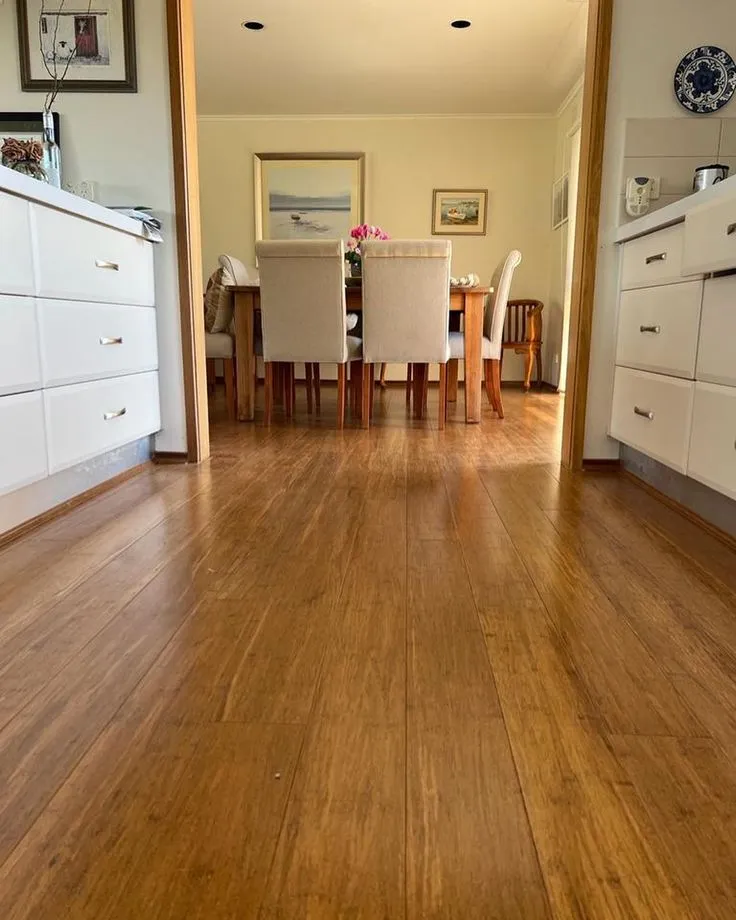
- Kitchens. Vinyl, ideally SPC, though water resistant laminate can work with care. For every other option, see our best flooring for kitchen guide.
- Bathrooms and laundry rooms. Vinyl only.
- Bedrooms. Either. Laminate feels warm and solid; LVT is quieter.
- Living room and hallways. Laminate AC4 or above, or SPC.
- Villas. SPC flooring for sunny ground floors and wet areas, laminate in upstairs bedrooms.
- Apartments. Slim SPC or LVT fits under existing doors and keeps noise down.
SPC vs Laminate Flooring
SPC is laminate’s closest rival, since both are rigid click planks. The difference is the core: stone plastic composite against wood fibre. SPC is waterproof and stable in heat, so it can go into bathrooms and laundry rooms where laminate cannot. Laminate is thicker, warmer and has the edge on surface hardness and natural wood realism. Choose SPC for wet rooms, ground floors and sunny spaces, and laminate for dry bedrooms and living areas.
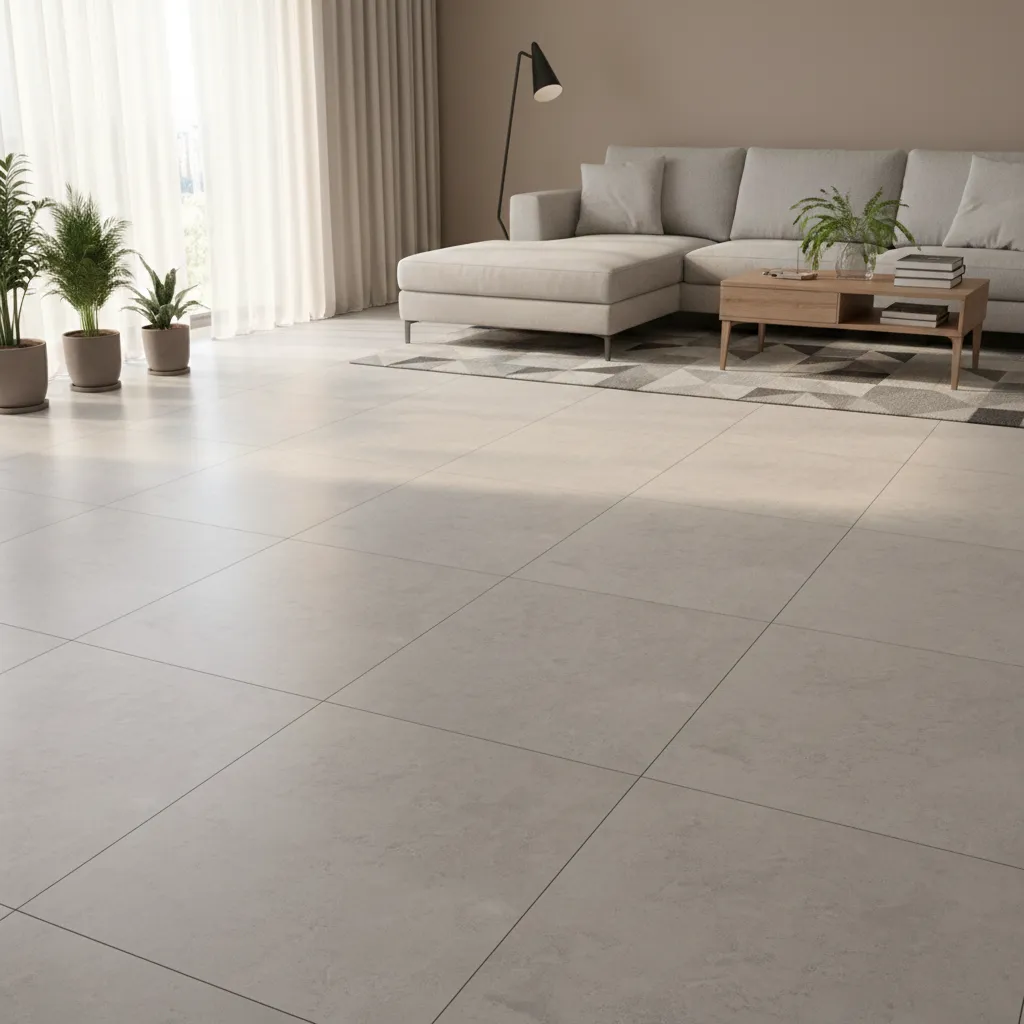
Choosing the Right Floor With Intex Aura
There is no single winner in laminate vs vinyl flooring, because the right floor depends on the room. Many homeowners use both, with vinyl in wet areas and laminate where comfort and look matter most.
Intex Aura supplies and installs laminate flooring, SPC flooring, LVT and sheet vinyl as part of our wider flooring collection, for homes all over the UAE. Backed by 25 years in interior design, one team takes the job from survey to fitting. We bring free samples to your home and measure at no charge. Book a free site visit and see both floors in your own light.
Laminate vs Vinyl Flooring FAQs
Is laminate or vinyl better for Dubai homes?
Vinyl is better for wet rooms and ground floors, while laminate suits dry bedrooms and living rooms where a realistic wood look matters. Many homes mix them, with SPC in wet rooms.
Is laminate flooring waterproof?
No. Laminate has a water resistant surface, but its HDF core can swell if water gets into the joints. Sealed laminate handles small spills wiped up quickly.
Which is more durable, laminate or vinyl?
Laminate has the harder, more scratch resistant surface, graded AC3 to AC5. Vinyl handles water better and rigid SPC resists dents, so it depends on the room.
Is SPC better than laminate?
SPC is better in kitchens, bathrooms and sunny rooms because it is waterproof and stable in heat. Laminate is warmer and slightly more realistic, so it often suits dry bedrooms better.
Can laminate or vinyl be laid over existing tiles?
Yes, both can go over level tiles, which avoids breaking them out. Check door clearances first, and lay an underlay under laminate.
Does vinyl flooring fade in the sun?
Any printed floor can fade under strong UV light over time. A good wear layer slows it, and blinds on sun facing windows protect the floor further.
Which is quieter, laminate or vinyl?
Vinyl is quieter and softer underfoot. Laminate can sound hollow, so it needs a good underlay, especially in apartments.
Choosing between laminate and vinyl?
Tell us which rooms you are flooring, and we will bring samples of both, measure up and give you a free quote.