Rolls Or Tiles For A Large Gym?
On big, regular areas above roughly 100 square metres, rolls usually cost less to lay and leave fewer joins.

Gym Flooring Rolls
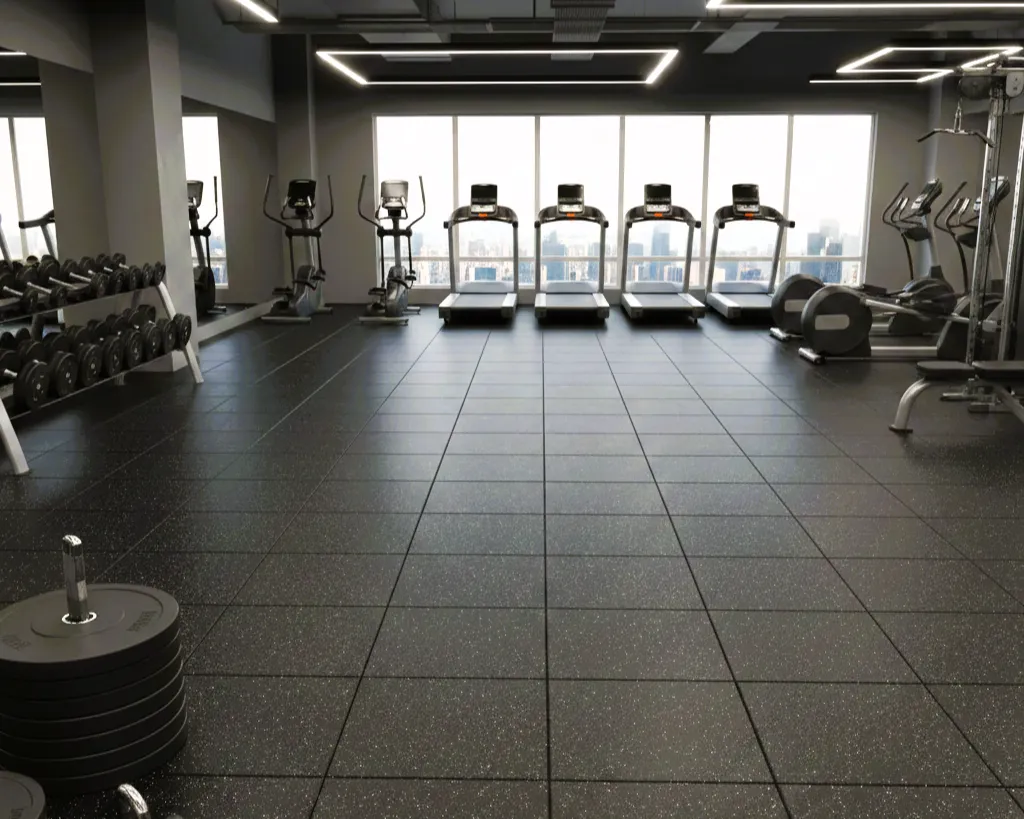
Intex Aura supplies and installs gym rubber flooring in rolls for commercial gyms, home gyms, CrossFit boxes and fitness studios across Dubai. Rubber flooring rolls cover a big room with far fewer seams than tiles, cushion every rep and protect the subfloor from heavy impact, and each length is cut to fit.
5.0 on Google · 25 Years of Experience · Free Site Visit
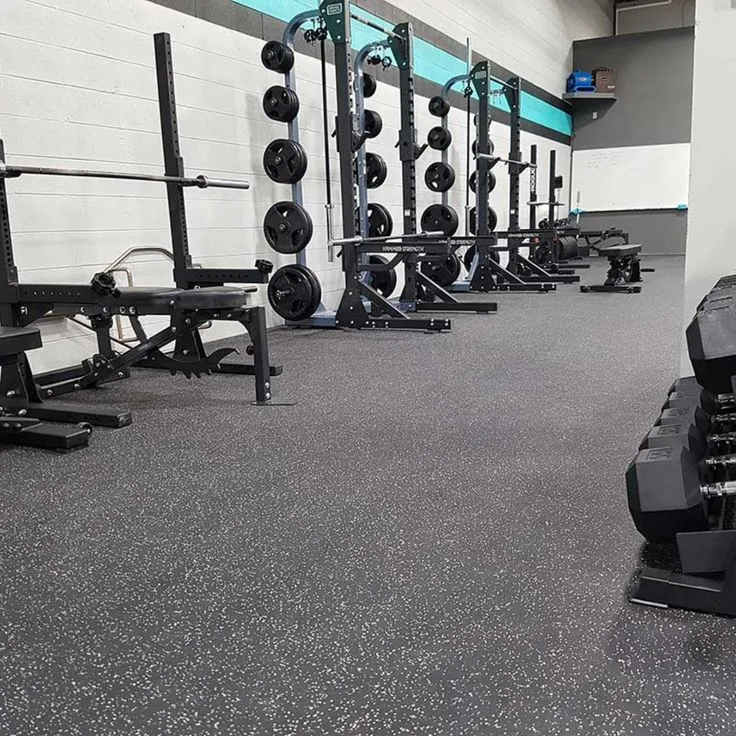
Roll flooring is one continuous sheet of rubber flooring, usually about 1 to 1.25 metres wide and supplied in custom lengths cut to order, often 10 metres or more. Laid side by side, a few rolls fill a large open room with straight, tight joins, so the flooring looks cleaner and there are fewer edges to lift or trip over, which helps safety.
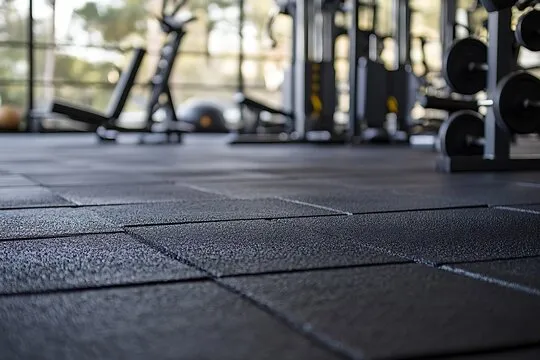
Most rubber flooring rolls are made from SBR granules taken from old tyres and held together with a polyurethane binder, which makes them a sustainable, durable flooring choice for the UAE. Thickness and colour are chosen per area, from cardio lines to the weight room.
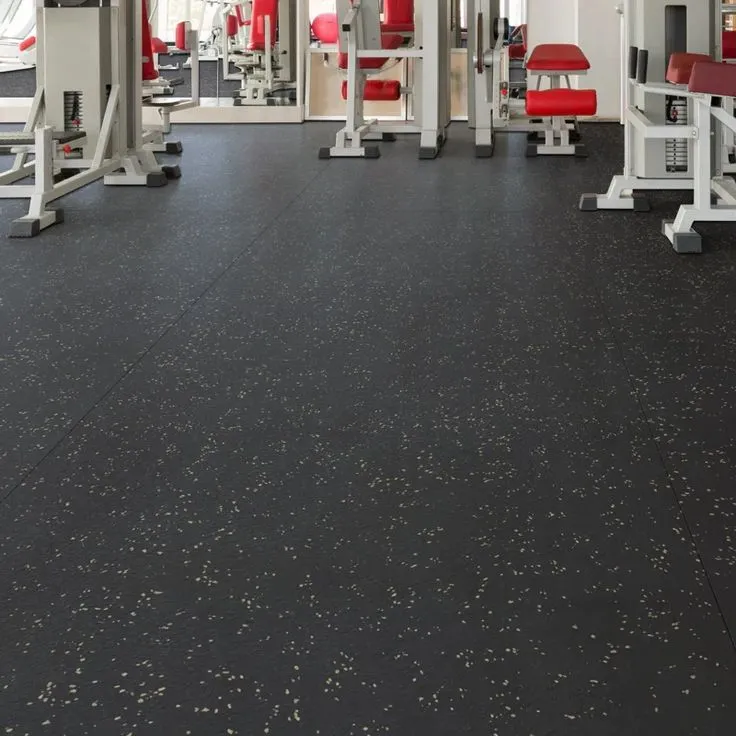
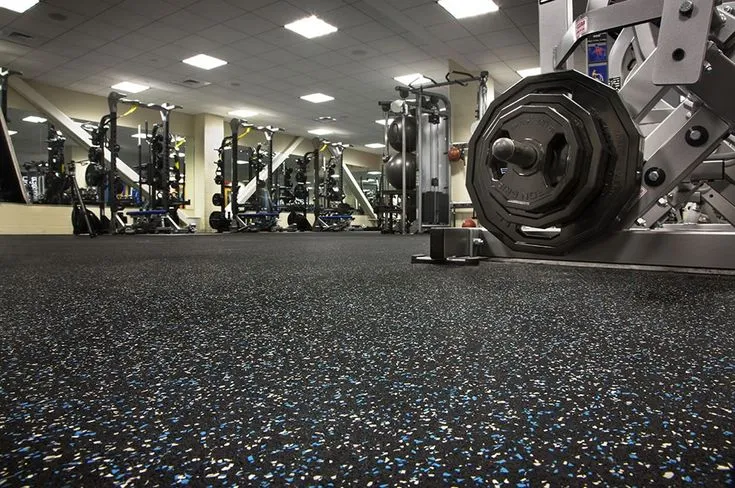
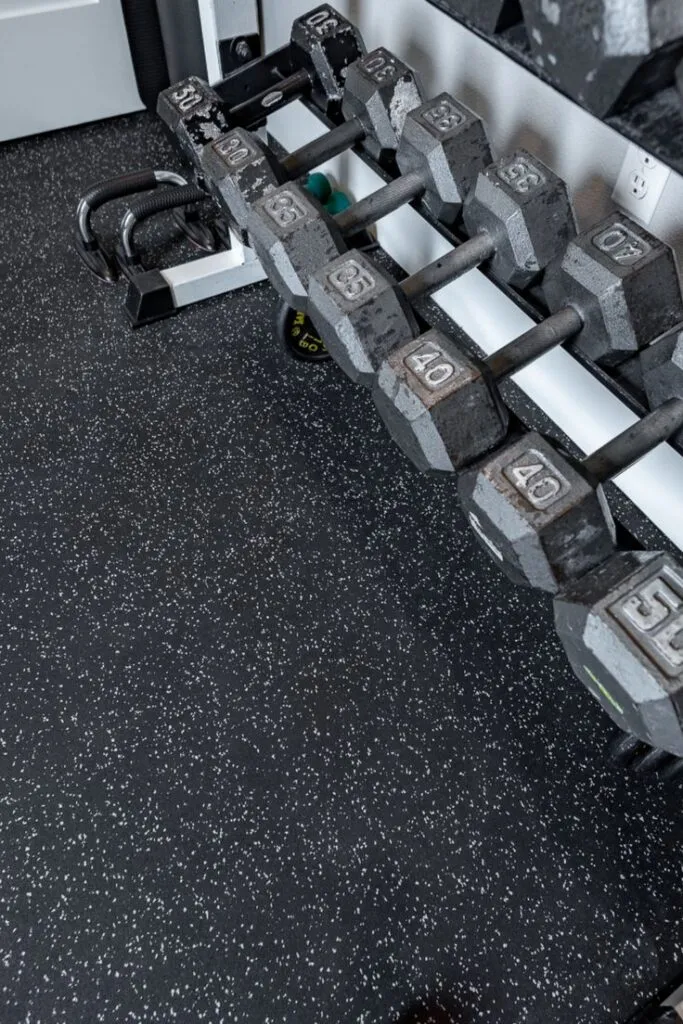
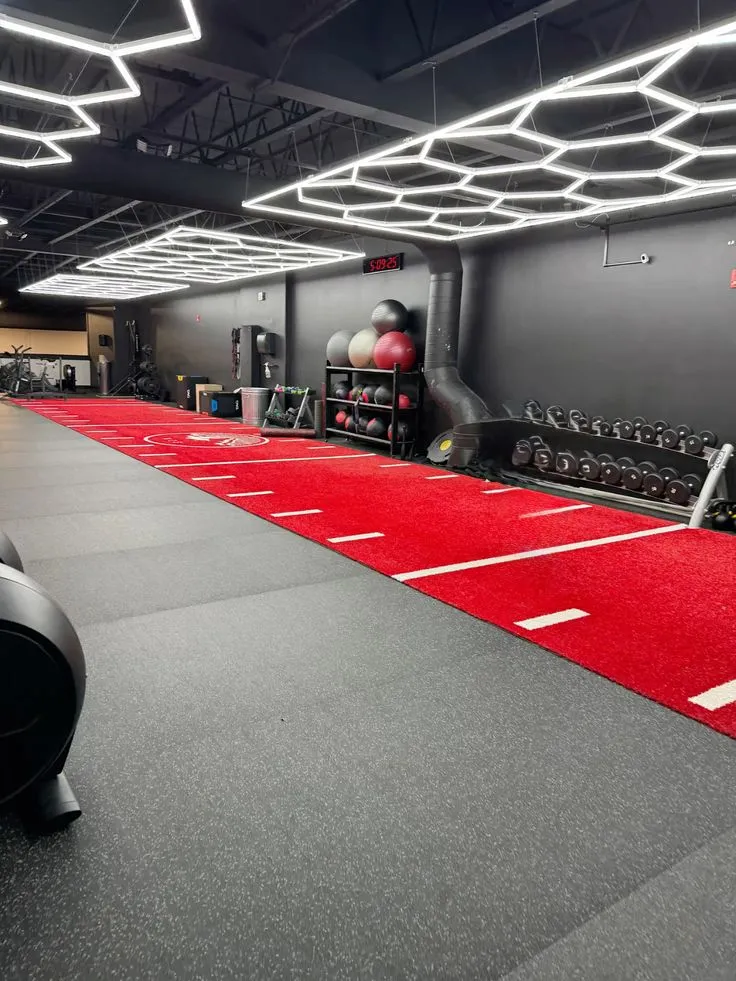
On big, regular areas above roughly 100 square metres, rolls usually cost less to lay and leave fewer joins.
Global brands and Dubai businesses have trusted us with their fit-outs, and a garage gym gets the same care as a hotel.









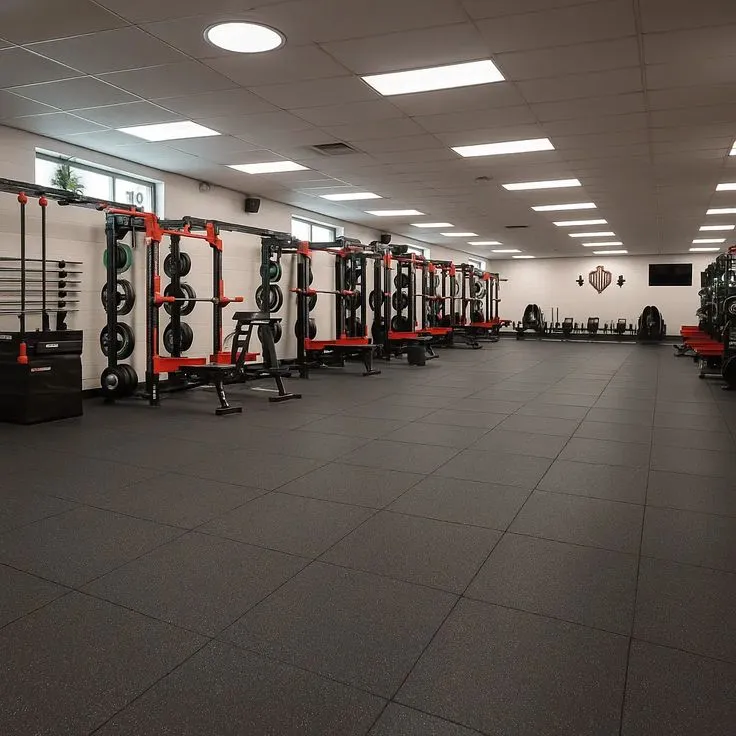
The everyday heavy-duty rubber flooring for commercial use: hard wearing and the best value per square metre.
Black rubber with EPDM flecks at about 10, 20 or 30 percent, for brighter, premium flooring that hides dust and chalk.
Lighter tones that make windowless spaces feel bigger.
Vulcanised virgin rubber is denser and smoother with little odour, but costs more than bonded recycled rubber.
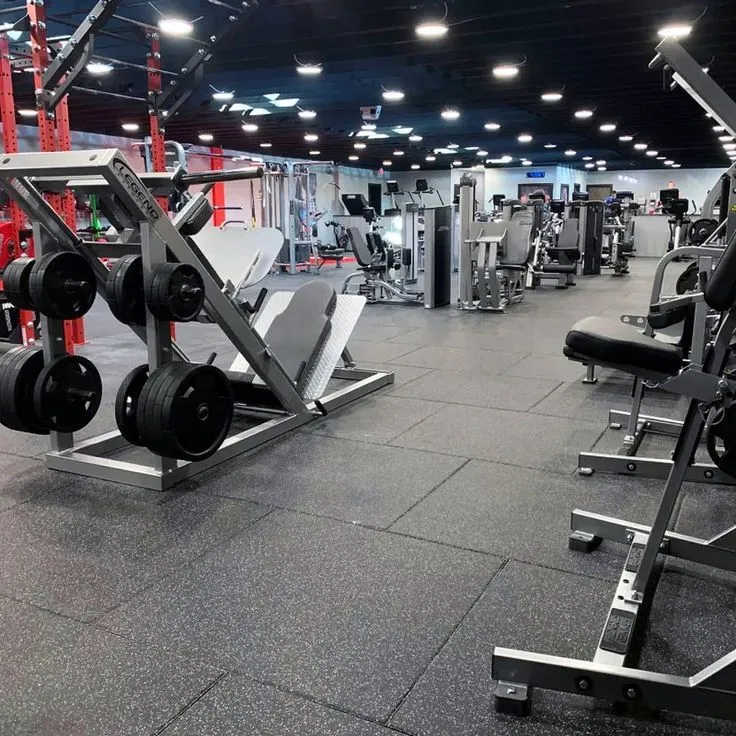
15 mm and thicker for racks, with impact resistance and cushioning where plates land.
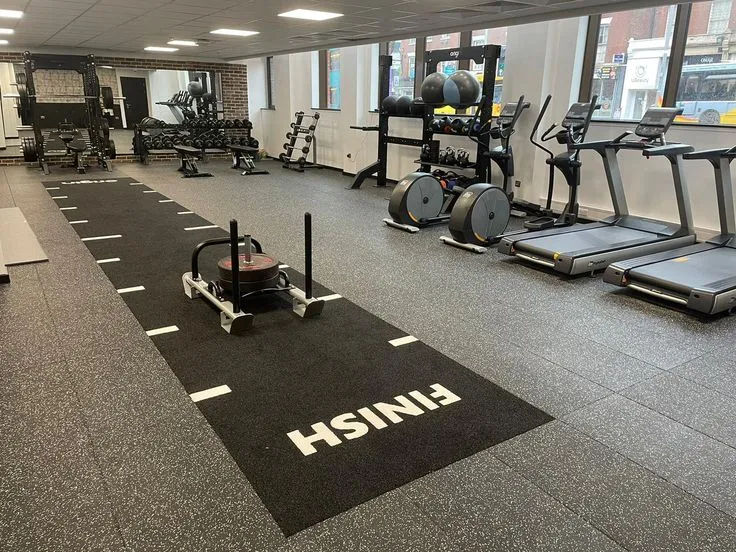
Rubber flooring around sled lanes, rigs and wall balls, built for performance.
Training and fitness zones finished in premium rubber flooring.
01
Rubber cuts noise and vibration through the slab.
02
Traction holds even in humid UAE summers.
03
Cushioning and shock absorption for athletes.
04
Long lengths mean far fewer seams to lift.
Our Process
We measure the room, note columns and doors, and test the subfloor for moisture.
Each zone gets the right depth, and we draw where every length runs.
The subfloor must be level, clean and dry, so high spots and dips are fixed first.
Rolls are unrolled and left to acclimatise for 24 to 48 hours so they relax and lie flat.
Lengths go down in the same direction, are cut to fit with a sharp knife and a straight edge, then bonded or taped.
A professional check of every join and edge with you, plus care notes.
Why Choose Us
What gym owners and home users tell us they value:
Rubber flooring rolls are set out before cutting, so joins fall away from lifting spots.
No paying for 20 mm where 8 mm will do, and no thin rubber under heavy weights.
Full rolls are heavy, so two people or more move each one and walls stay unmarked.
Nights and weekends for commercial spaces, so members keep working out with a professional crew.
From JLT and Motor City to Dubai Silicon Oasis and Al Warqa.
The visit is free and the quote is given in writing.
Contact Us
Send us the floor size and a couple of photos, and tell us what you train. We will suggest a depth and book your free visit.
Testimonials

★★★★★
Great experience with INTEX AURA Decoration Design & Fit-out LLC! The team was polite, professional, and delivered exactly what I wanted. Smooth work, good quality, and very cooperative staff. Highly recommended!

★★★★★
Great job and very efficient and cost effective

★★★★★
Highly recommended and trustworthy. They completely transformed the interior look of our flat.

★★★★★
Installed blinds. Excellent work.

★★★★★
They painted my room and corridor in two totally different colors (very light and very dark) and did an amazing job. Super professional, easy to deal with, and left everything clean. Highly recommend.
Benefits
Specifications
Gym rubber flooring thickness follows the training. For cardio and machine areas, 8 to 12 mm rolls are the usual pick, and 6 mm suits stretching corners and light home gym use. Free weights need 15 mm or thicker, and where heavy plates fall from overhead we add a lifting platform or thick rubber mats on top for extra impact resistance.
Density matters too. Denser rubber resists indentation from racks and machine feet and keeps its performance for longer, while softer, lighter flooring marks sooner. Ask for samples of our materials to stand on before you decide.
Applications
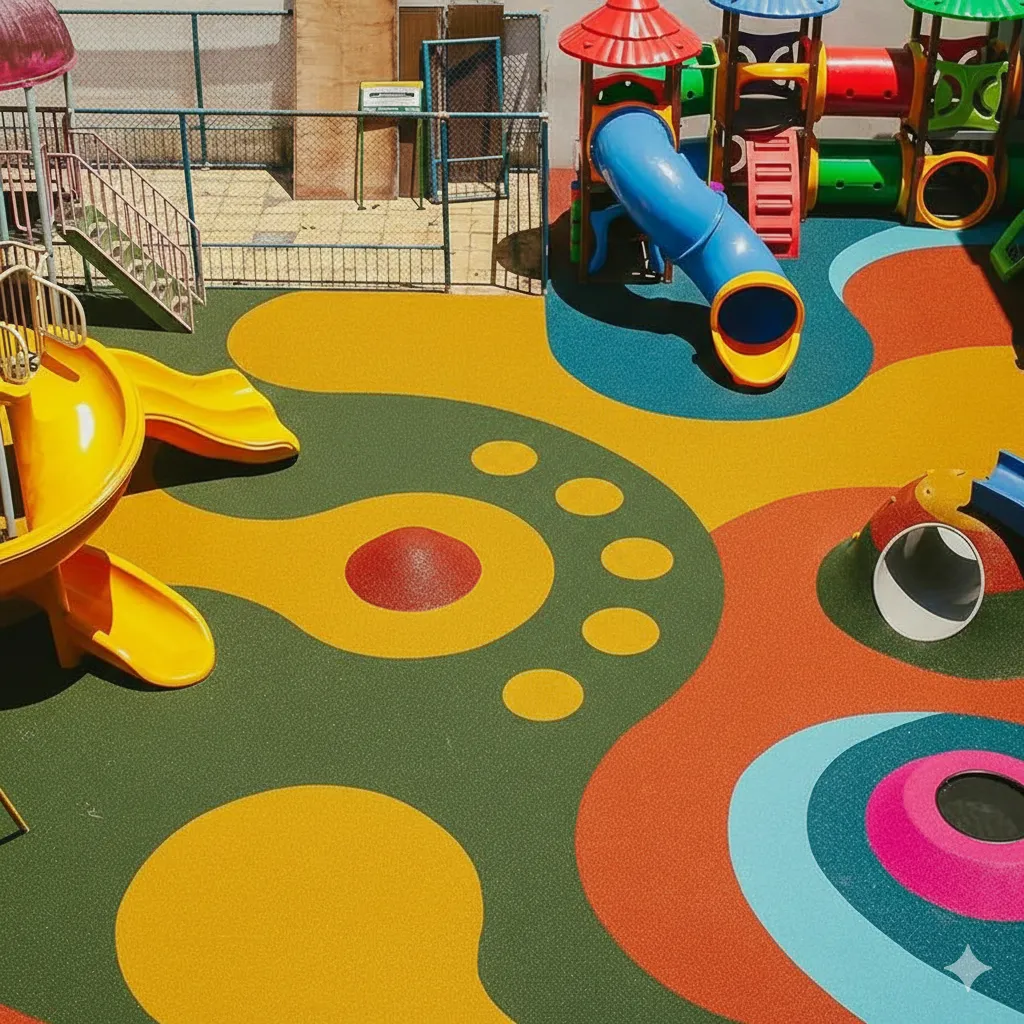
We lay rubber flooring in commercial and residential spaces all over Dubai, from towers in JLT to villas in The Springs.
Large indoor areas where gym rubber flooring in rolls keeps joins to a minimum, looks professional and holds its performance under heavy use.
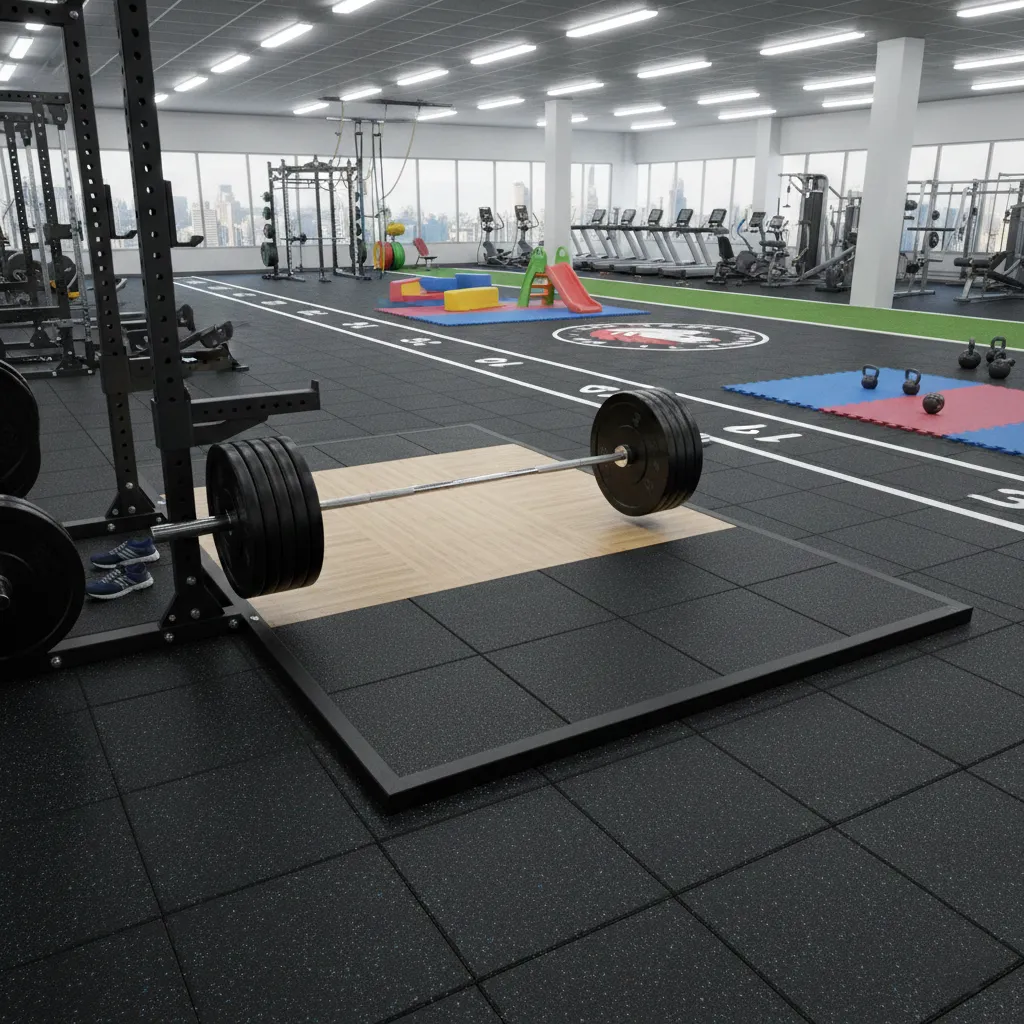
Thick rolls around rigs, with impact resistance for barbells and box jumps.
Thinner rolls for spin, circuit and personal training, with flecks to match the brand.
Apartments and houses, where a home gym on rubber gym flooring stays quieter for everyone else.
Adhesive bonds the whole roll to the subfloor for permanent, commercial floors. Allow around 24 to 48 hours before heavy equipment goes back.
Tape along each join holds it flat, a middle option between glue and loose-lay.
Heavy rolls can sit loose-lay with no glue, a durable option that suits rented units and lets you lift the flooring later.
Rolls can go over concrete, screed or existing tiles if the surface is sound and flat.
Maintenance
Compare
Rolls are the best value on large, regular spaces and give the most seamless finish. Interlocking rubber tiles are easier to fit yourself, suit irregular shapes and let you swap out a damaged piece. Many gyms use both: rolls across the main floor and rubber mats on the platforms. Whatever the mix, settle the thickness and whether to glue or loose-lay first, and colour second.
Rubber roll flooring comes in long lengths, so there are far fewer joins to open up, catch a foot or trap dirt. Fitting is quicker per square metre too, which is why most large gyms choose this flooring.
Not under a rack. Plan on 15 mm or more under racks and free weights, and keep 8 to 12 mm for the treadmills. If bars will be dropped from overhead, a lifting platform or thick rubber mats on top of the rolls protect the slab properly.
New rubber flooring has a smell at first that fades within a few weeks of fresh air, and vulcanised rubber has far less of it if that matters to you.
Glue suits permanent, busy floors where rolls must never shift. Loose-lay with taped joins suits rented spaces and home gyms, because the flooring can be lifted when you move.
Usually not, as long as the tiles are sound, flat and well bonded. We check for loose or hollow tiles first, because any movement underneath will show through the rubber.
Far less than on bare tiles, because gym rubber flooring absorbs impact and cuts the noise that travels through the slab. Many buildings also ask for an underlay or a thicker roll, so check your building rules first.
Yes. The flooring is trimmed on site around columns, door frames and fixed equipment, with custom cuts kept tight so nothing lifts.
Black rubber fades and gets hot in direct UAE sun, so for open rooftops we suggest EPDM sports surfacing. Shaded outdoor gyms can take rolls with a high fleck content.
A loose-laid floor can be used as soon as it is down. Glued rolls need around 24 to 48 hours before heavy equipment returns, and the time to lay a gym depends on its size, so we'll confirm yours after the site visit.
Yes. After the free visit we send a written quote based on depth, density, fleck colour, area and installation method.
Our Collection
From plain black weight rooms to speckled studio flooring, here are some of the gym rubber rolls owners and homeowners in Dubai have chosen lately, from a wide range of thicknesses and colours.
Our office
Office 1-137, 1st Floor
Al Masraf Bank Building
Al Qouz 1, Sh. Zayed Road
Dubai